


DEATH'S PRELUDE
This is a largely spoiler-free review, all screenshots and images shown contain content seen within the first few hours of gameplay.
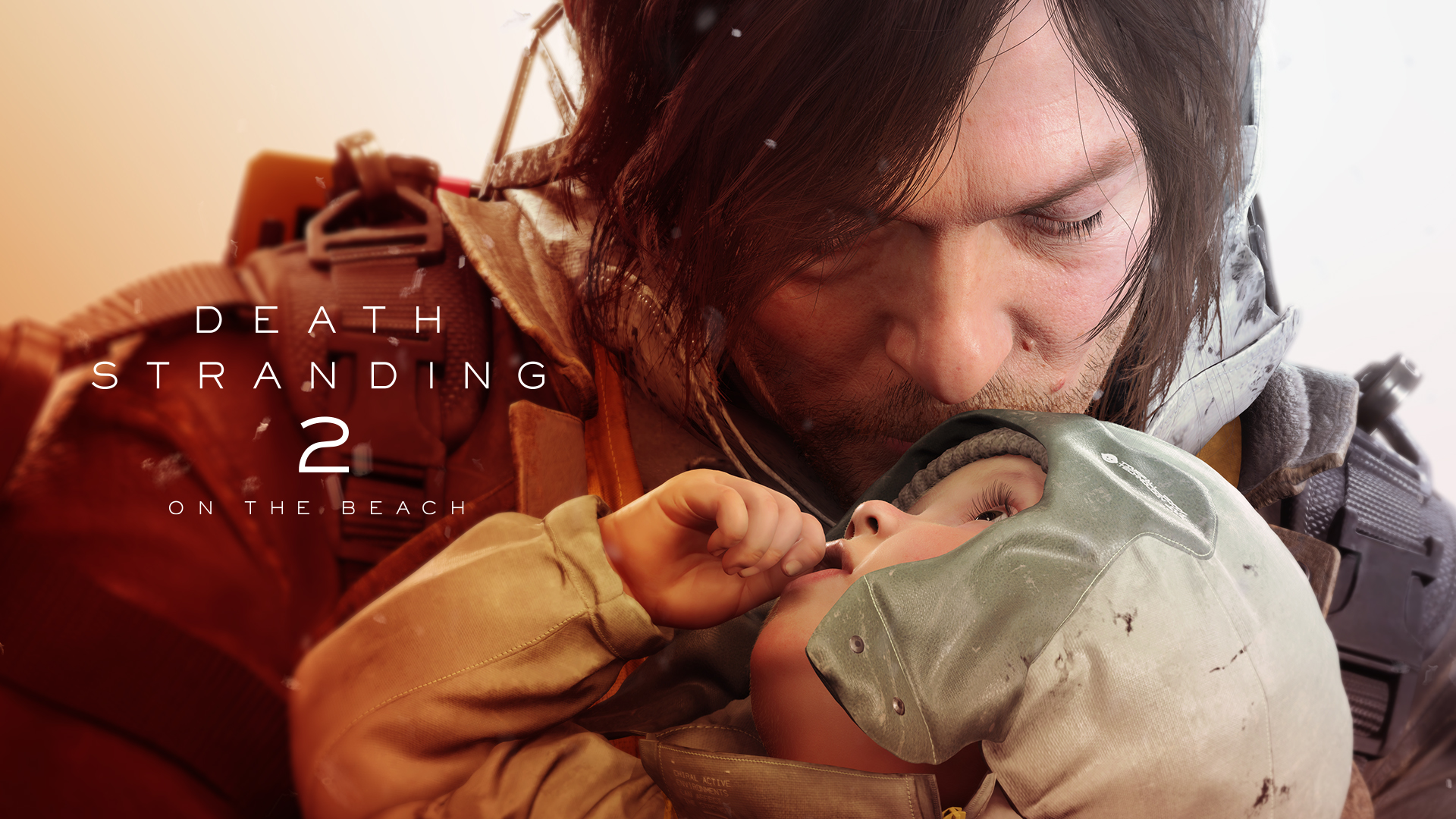
Death Stranding 2: On the Beach is the sequel to Kojima Productions' highly divisive debut title of the same name. Like its predecessor, the game launched as a PlayStation exclusive, and since release in late June, has sold more than 1.5 million copies. These relatively modest numbers are a testament to the games’ more nuanced appeal and different approach to both gameplay and storytelling, making for an extremely unique offering which aims to please the few rather than the many.
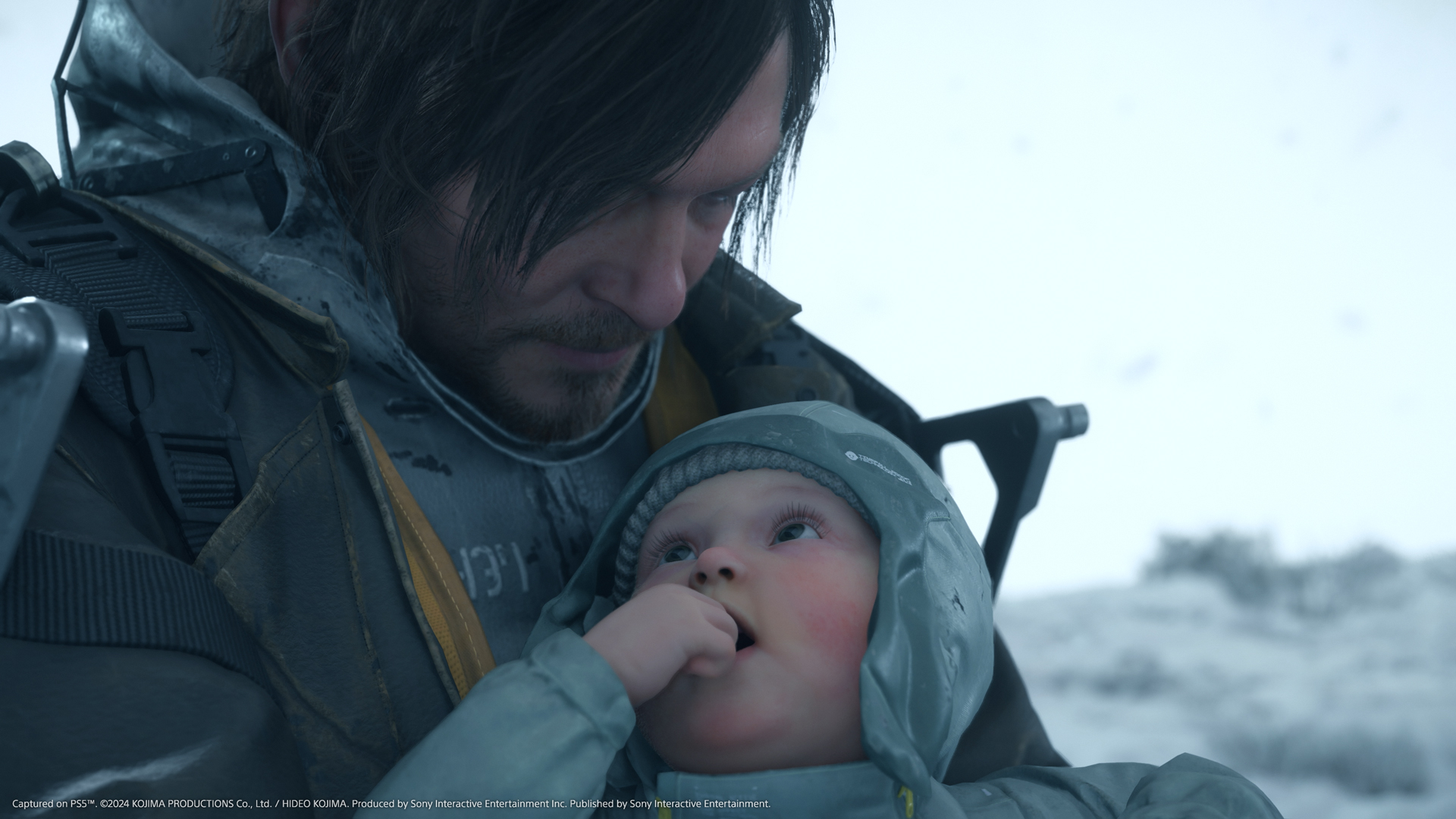
In a direct continuation of the first games events, Death Stranding 2 takes players on a journey which will allow them to explore a post-apocalyptic rendition of the Australian continent as they resume expansion of the Chiral Network. Players will once again be allowed to travel through beautifully rendered landscapes courtesy of the Decima game engine, which has evolved even further this time around to help produce some of the most impressive and realistic environments of this console generation.
Spectacular cinematography, stunning graphics, and a deeply distinctive and unique world are what characterize Death Stranding 2 as perhaps one of this year's best releases. In spite of these successes though, Death Stranding 2 was unable to avoid the pitfalls laid by its predecessor, as an unimproved gameplay formula ultimately leads to an experience that may leave even the most patient players feeling disconnected from the occasionally monotonous gameplay.
ASYNCHRONOUS ASSISTANCE
The gameplay, despite its innovative and elaborate detail, housed what was perhaps my largest grievance with the experience: Death Stranding 2 is a painstakingly easy game. Both in combat and deliveries, Death Stranding failed to provide me with a genuine challenge that could evoke a sense of accomplishment or triumph upon completion.
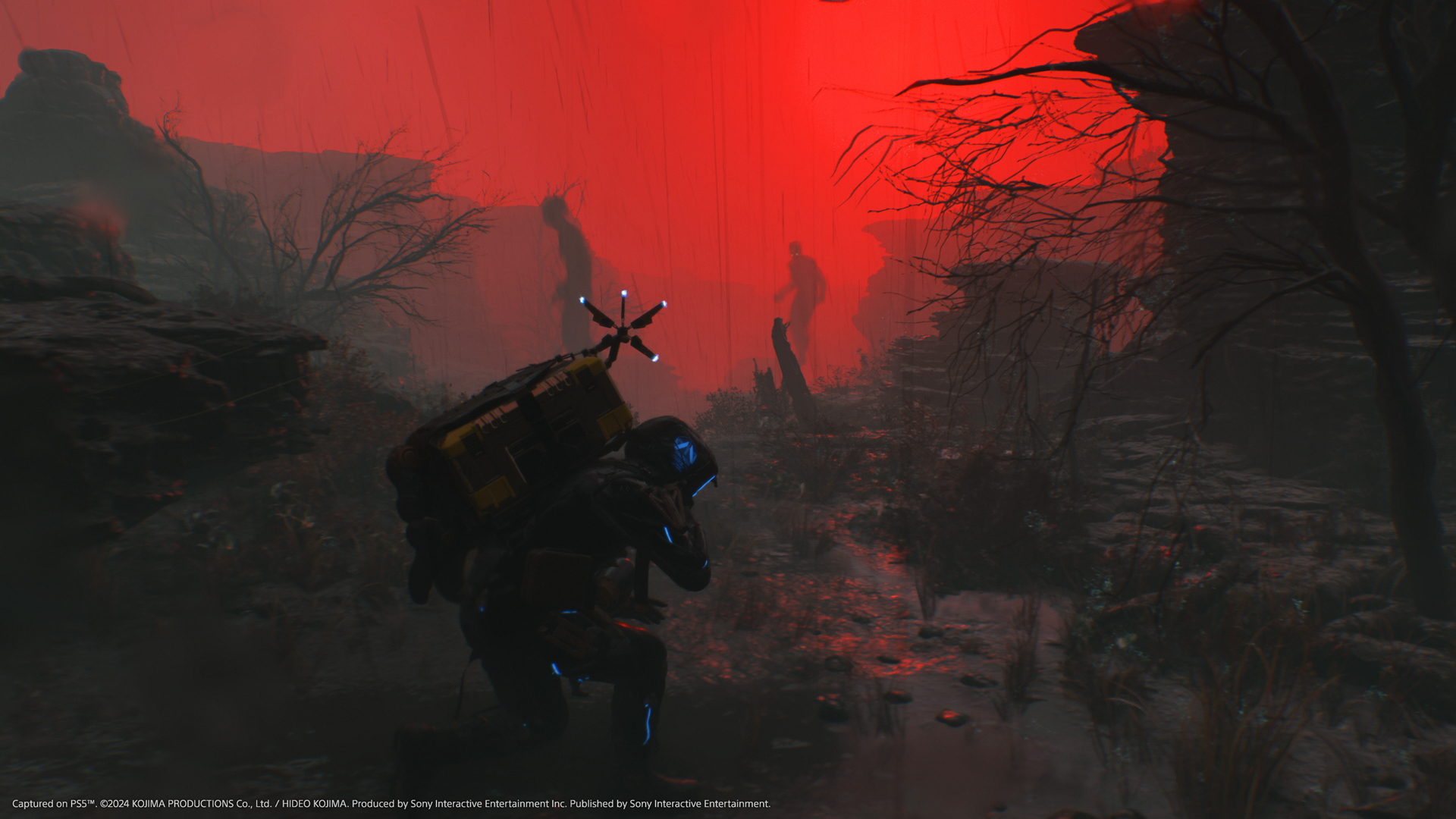
Connection, and the bonds we form with others, are a big part of Death Stranding’s overarching message, but it stumbles a bit in the way it attempts to translate this to gameplay. Social Strands are a central mechanic present in the open world that allow players to interact through asynchronous multiplayer, enabling them to share gear, deliver lost packages, and contribute to structures together. Where this becomes problematic, however, is the lack of restriction on the abundance of things shared and the frequency with which they’re shared.
While this gameplay mechanic, in theory, is an amazing way to allow players to interact in a game all about connecting and helping others, the scale at which it has been implemented renders a large majority of the open worlds challenges obsolete. There is very little difficulty or struggle to be found in traveling when you are constantly being fed supplies such as weapons, vehicles, and battery without having to expend any effort to loot or craft these things yourself. Were this system a rare windfall for struggling players, it would be far less of an issue, but when an already superfluous loot economy is made even larger by gear and structures from other worlds flooding in, the use of resources for fabrication becomes redundant.
Another contributing factor to the lack of difficulty is the omission of BTs. BTs, or Beached Things, were an integral part of the first game's challenge, creating entire environments where players were forced to take each step carefully and pay close attention to their surroundings, lest they incur a boss fight which could lead to the loss of their cargo and/or life. In DS2, however, these ghosts are all but missing. While roaming BTs are still present in the sequel, and even introduce a new variant, the watcher, the frequency in which you will encounter them seems to have been drastically reduced. Throughout well over 40 hours of gameplay, I can count on both hands the number of times I encountered a BT zone during my travels, even fewer the number of times that zone actually impeded me or was difficult to circumvent. The lack of BTs contribute to a more subdued threat level within the world, a feeling which ultimately creates a serene mood that betrays the nature of a threatening, post-apocalyptic world filled with perils around every corner.
SOLITUDES GAMBLE
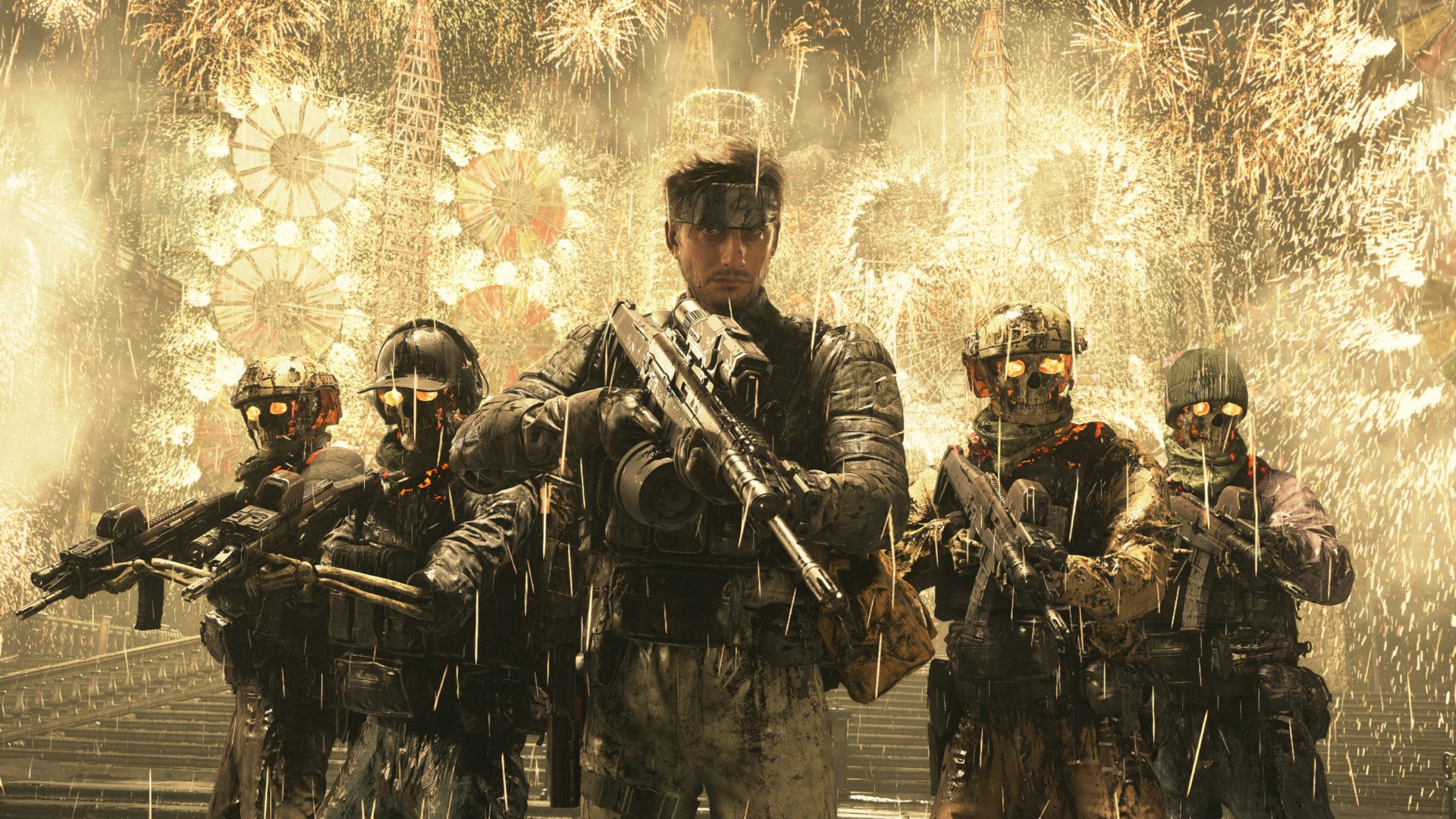
Themes of varying weight and severity are explored throughout the course of the story, with each major character featuring their own tragic tale of how they came to be part of Drawbridge. Owing to their backstories and off-screen development, these characters whom Sam meets aboard the DHV Magellan, truly feel weathered and personable as they interact with and assist you on your journey, each in their own way. Despite the phenomenally well-characterized crew, however, heroes are only as good as their villains, and the main antagonist which this crew is pitted against simply does not parallel their fleshed-out motivations and goals. Through the reappearance of an old villain who was okay the first time, and now redundant the second, Troy Baker's character Higgs manages to undermine much of the development undergone by Sam and Fragile as he dredges up the past for one more stab at revenge.
Though Higgs may be well acted and creatively inspired, he is still missing much of the underlying motivation or individualism that was painfully absent from his character the first time. As an antagonist, he fails to bring out the best in Sam and Fragile, as instead of presenting them with a new challenge, it feels more as though they are forced to retread waters they’d already conquered.
Moreover, this whimsical and zany caricature of Higgs reflects one of the narratives' more prevalent issues. The story swaps far too frequently between eccentric humor and serious topics, making for an uneven mood, and a confused viewing experience. The brevity of the laughs garnered from some jokes and gag characters renders them pointless altogether, as instead of making for a comedic story experience, they wind up detracting from the weighted nature of the subject matter being discussed. One such example can be seen in the character who accompanies Sam throughout much of his journey. Dollman is a character whose Ha has been separated from his Ka, which is the game's explanation of his soul becoming separated from his body and being placed into a tiny stringless puppet instead. Dollman is animated in a much lower framerate and takes the form of a literal toy doll, and while this makes him a unique character, it also cannot help but become trite as this character exists as a constant gag throughout every moment he is on-screen.
STONE SPIRAL
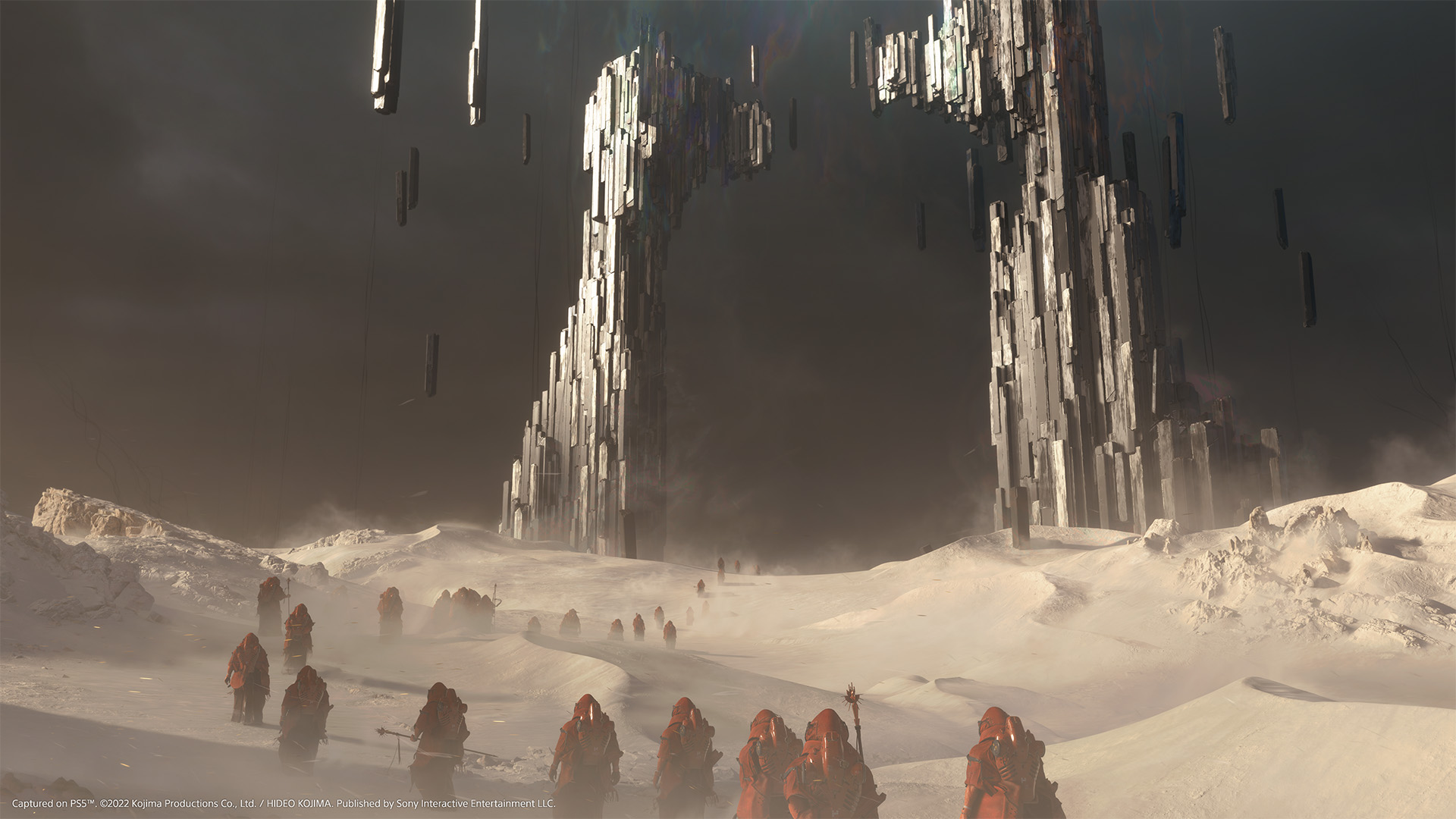
Of every cutscene, boss fight, or encounter present in the game, those featuring secondary antagonist Neil Vana, are likely to impress you most. Though he appears very infrequently throughout the story, he consistently manages to steal the show as he boasts some of the games’ most jaw dropping sequences. These scenes represent the best of what the engine has to offer, as stunning graphics are mixed with life-like animation to create encounters that prove to be truly arresting.
Replacing the shooting gallery levels present in the first game are similar segments featuring a new mysterious antagonist. But while DS1 found a way to make these occasional forced combat encounters feel out of place and unnecessarily difficult, DS2 manages to breathe new life into them by using them as a showcase of some of the engine's best work, creating vivid and unforgettable experiences that go far beyond a simple combat encounter. The quality of the camera work, art design, and facial animation in each of these levels transports you from a "walking simulator" to an experience which could be likened to that of a high budget film. The narrative surrounding Neil and his importance to the plot is one which players will likely follow with great intrigue, as the acting and visuals of this character and those around him are truly top-notch.
EXTINCTION'S END
The potential which Death Stranding has as a universe and a franchise is shown to be undeniably promising through this latest entry. The care and detail that has gone into crafting this world shines through every element of the game, it is a unique experience which cannot be confused for any other, and whose impact on the industry could be monumental if handled properly. Though its shortcomings are perhaps irreparable as they are ingrained into the games very nature, they do not detract from its considerable accomplishments.
After roughly 40 hours on the highest difficulty, “Brutal,” I am disappointed to say that at no point during my time with this game did I ever feel challenged or backed into a corner. The overwhelming number of tools at my disposal, and the already lacking difficulty of the obstacles which I used those tools on, made for a mind-numbingly easy experience at times. I played on a base PS5 and switched periodically between both Fidelity and Performance modes; both saw few if any deviations, stuttering, or performance issues at any point during my playthrough, even during more intensive scenarios such as big boss battles or forest fires. The Decima game engine once again earns its place among the best, as it manages to deliver amazing graphical quality and environments without sacrificing framerate or stability in the process; offering a much-appreciated reprieve in a year where the majority of triple A releases disappoint players with awful performance or a plethora of bugs.
At the end of every great journey lies an epochal message for the traveler to take away, and Death Stranding 2 is no exception. Nothing is meant to last forever, and our limited time with the people and things we hold dear is what makes every moment with them so valuable. To take for granted what others could only dream of is to disregard the worth of your blessings. The story imparts these lessons upon the player beautifully in a way that causes you to yearn for old times, but the way forward cannot be found by rifling through the past.
On the Beach ultimately cements itself as a faithful sequel that improves upon its basics while not steering too far off course. The similarities drastically outnumber the differences between these two entries despite their nearly 6-year release gap. Those looking for a remix of the original Death Strandings formula, or a major advancement in the gameplay may find themselves disappointed. Despite this, the game still manages to offer a fantastic, if occasionally flawed, narrative; and a cinematic experience worthy of endless praise.
 1
1 

