


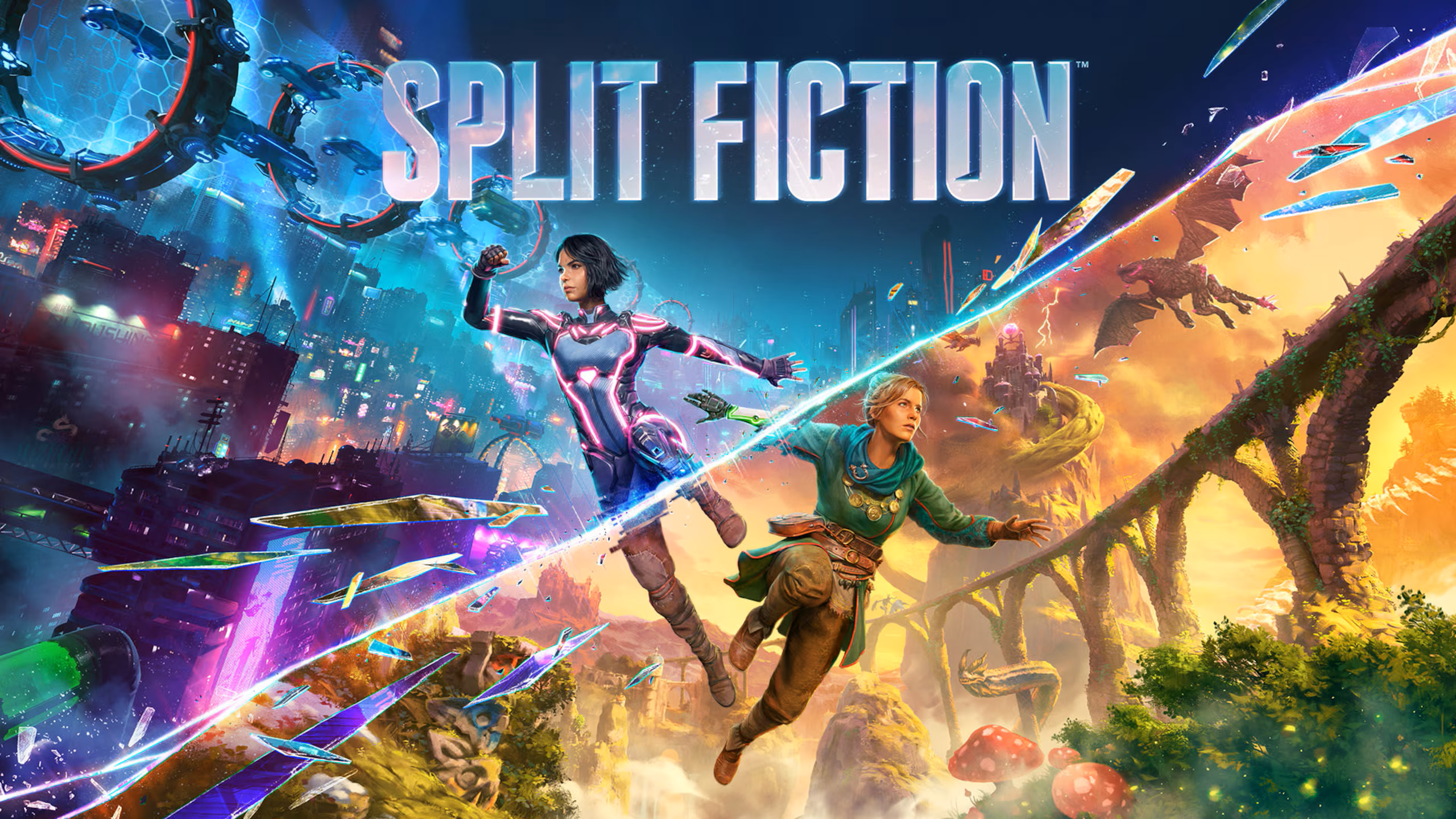
As a fan of two-player co-op games, I was very excited to see Hazelight Studios putting out their third game, Split Fiction, in the spring of last year. As a gamer severely lacking a budget for games, I immediately decided to wait a year or two for a good sale. I suppose the asking price wasn't too awful, especially for a high-quality game with strong voice acting, excellent sound, amazing graphics with interesting world design, and some rather unique gameplay elements thrown in here and there. And, just like with A Way Out and It Takes Two, the game supports local co-op and Remote Play Together, so you only need a single copy to play with a friend.
Of course, in my case, we'd be fighting over who has the actual game and therefore who gets the achievements (something like "No, you go ahead and get the achievements..." "No, you...") so my partner and I had to wait until we could get two copies for maximum fairness (especially since seeing our achievements unlock at the same time makes me really happy for no rational reason).
A Split-Screen Cinematic Platformer for Two
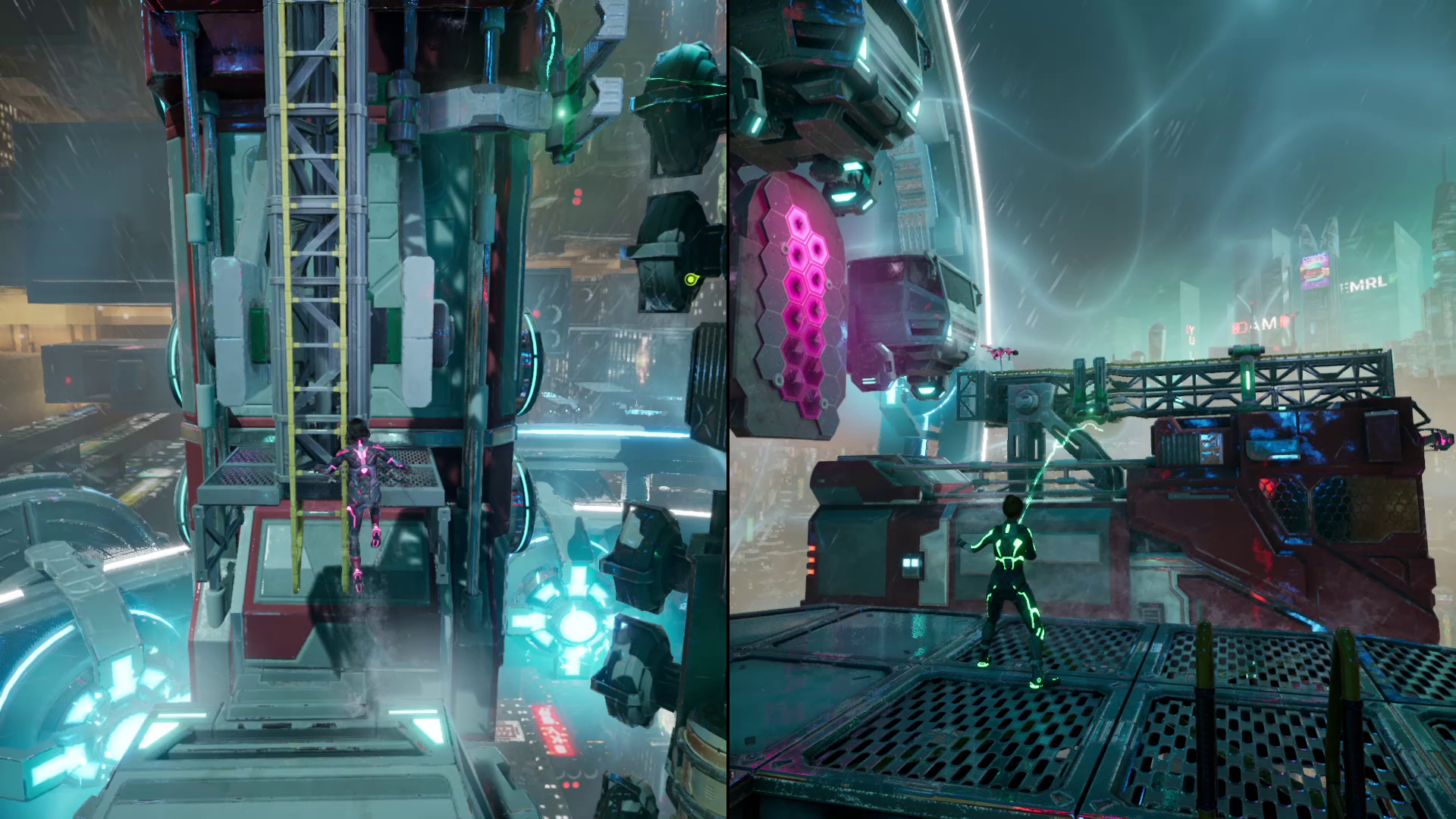
Split Fiction is an action-packed, cinematic tale of two fiction enthusiasts with different focuses - sci-fi and fantasy. The gameplay is fast-paced with plenty of camera changes at interesting angles throughout, aiming to keep up an action-movie feel while guiding you through the story. This means the gameplay can be a bit intense for anyone with visual sensitivities and I found that I had to limit how much I played at a time or I would risk being ill after. Fortunately, the game has plenty of checkpoints, making it very easy to stop every once in a while for breaks.
I didn't personally find the gameplay to be exceptionally challenging at any point - the game is very forgiving of mistakes, allowing reattempts essentially immediately and not too far from where you left off. The only exception for us was one optional achievement, which wasn't so bad with a gameplan. However, if you're weaker at actiony games, there are accessibility options to make combat easier (adjustable by player) and to skip to the next checkpoint if necessary, so you can keep the story going without unnecessary frustration, particularly if you want to play with a teammate who isn't as into gaming.
No matter whether you're playing online or on one screen, the split-screen visuals are an integrated part of the game that cannot be switched to a different mode. The way the game was made, this feature is tied into the storytelling and it wouldn't be possible to separate it for a different mode, so if you absolutely hate split screen and refuse to play it, this game isn't for you.
A Story of Stories and Storytelling
Split Fiction follows the story of two authors looking to gain a publishing deal with a major company. Unfortunately, it seems that the company is really just looking to steal all their ideas with minimal compensation. Trapped in a virtual world created from their own stories, the two of them need to work together to find a way to break free and prevent their creations from being ripped away from them. Though this scenario may be mainly an excuse to explain how we're combining sci-fi and fantasy worlds into a single game, it does make for an excellent canvas for good storytelling.
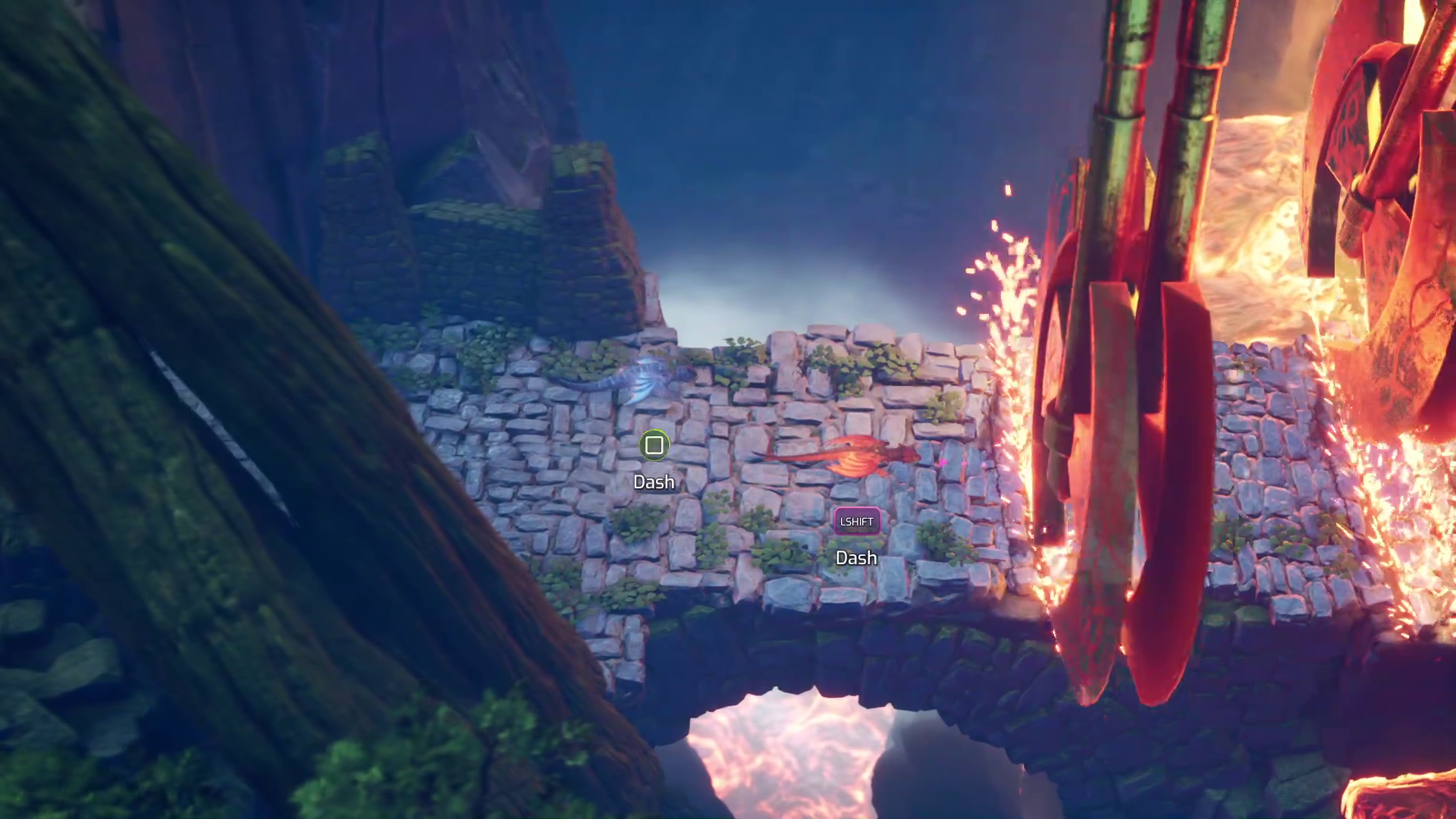
Each world the players venture into is a world created by one of the two authors - it holds some kind of meaning to each of them and the world can't be crossed without its creator being affected by the thoughts and feelings they'd had while creating it. Meaning that, as you journey through the worlds, you get just a bit more of a glimpse into the depth of each writer, with each having a story to tell beyond her world of fiction. Since the worlds are being given form by the machine that's stealing their ideas, it also makes for a rather timely theme seeing how much AI use is gaining prominence in the real world.
At the same time, this game is fast-paced and action-based, so those glimpses into the characters are mainly brief moments focused on their core drive to write, which lead to a few emotional scenes before going straight back into the action. There also isn't a good deal of development when it comes to the antagonist's motives, making that part of the premise a lot less believable. In all, the story makes for a decent explanation as to why this combined world of the game exists and has just enough character development for a player to be able to connect with each character.
Was It Worth the Wait?
Honestly, the gameplay felt a bit lackluster to me at first. Part of this was likely because the game was so hyped-up in my mind by the time I got to play it that reality could only let me down, but the first several sections felt a little overdone to me as someone who had previously played It Takes Two. Parts of the gameplay used the exact same mechanics as seen in that game, just in a different setting, and the game was incredibly linear and gave no opportunity to wander around and explore the amazing worlds I was visiting. I felt like the pacing was such that I had no time to enjoy the gorgeous scenery and I was just being rushed from one action scene to the next over and over again.
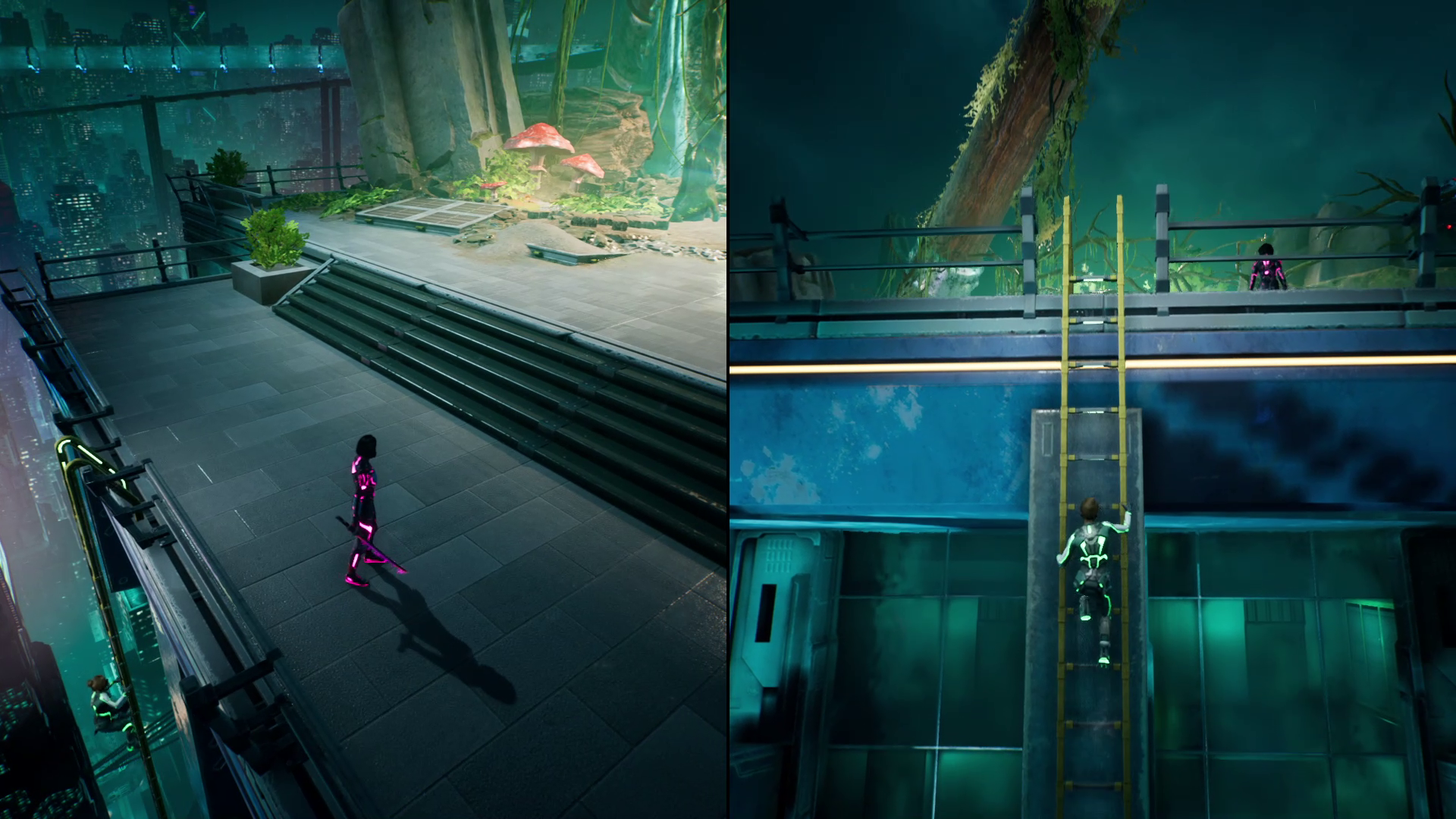
This improved as the game went on. Later stages introduced new mechanics and unique side stories (in both fantasy and sci-fi mini-worlds) that left a big impact, culminating in some of the most wild co-op gameplay I've seen in a game, which really made use of the split-screen storytelling as an integral part of the game rather than just being a tool to allow two people to play together. There was still a lot of rushed actiony gameplay and the game is extremely linear, much more like A Way Out in that regard than having any exploration aspects like in It Takes Two. Although there is some optional content to explore, it's located along the main course of the game, complete with lines of character dialogue to point it out as you pass so you don't miss it, making the game very streamlined even when it comes to the side-content.
My answer to the section title is ultimately "Yes." My partner and I greatly enjoyed running through all the worlds together with some moments of genuine hilarity and a great appreciation for some of the interesting mechanics included in the epic finale. On top of that, even though I could find bits that didn't jive so well with me in each of their games, I have a great appreciation for Hazelight Studios and a lot of interest in supporting the developers of any two-player co-op games as long as the price point is reasonable for the production quality. Long distance relationships can do that to a person.
Quick Reference
Split Fiction is a two-player co-op split-screen action-adventure game.
Best played chapter by chapter with a good friend.
Strengths:
• Highly polished cinematic gameplay.
• Strong co-op play that can be enjoyed as either character.
• Accessibility settings for smoother play with a non-gamer partner.
Weaknesses:
• Fast-paced gameplay and split-screen mechanics may be rough on players with visual sensitivities.
• Two-player only, so no playing solo.
• Very linear without much to explore.
 0
0 
